
Bat Survey
Welcome to our comprehensive guide on bat surveys in the UK. Whether you’re a developer, ecologist, or someone interested in bats, this guide will provide you with valuable insights into the process of conducting a bat survey in the United Kingdom.
Why Bat Surveys?
Bats are a protected species in the UK due to their declining populations and ecological importance. Before any development or construction takes place, it’s crucial to assess the potential impact on bat habitats and roosts. A bat survey helps ensure that development activities do not harm these protected species and their habitats.
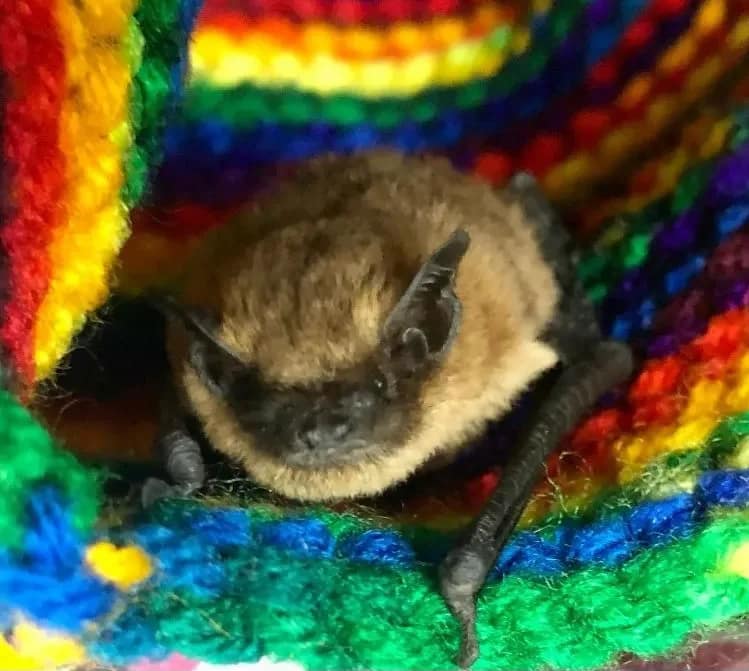
Types of Bat Surveys
There are several types of bat surveys that may be required based on the specific project and location. These include:
1. Preliminary Roost Assessment (PRA): this is usually the first assessment to determine whether there is potential for bats and if further surveys are required. It involves analysing historical records and habitat suitability. Also for an ecologist to visit the site in person.
2. Emergence and Re-entry Surveys: These surveys are conducted at dusk and dawn to observe bats leaving and returning to their roosts. This helps identify the species present, the number of bats, and their roost locations.
3. Activity Surveys: These surveys use bat detectors to record bat calls, allowing ecologists to identify the species present, their activity levels, and foraging habits.
4. Building Inspections: If evidence of bats is found during the PRA, further inspections are conducted to assess the roost’s significance and recommend appropriate mitigation measures.
5. Mitigation and Monitoring: If bats and roosts are present, mitigation measures are put in place to ensure their protection during and after development. Monitoring may be required to ensure that the mitigation measures are effective.
The Survey Process
- Initial Consultation: The process begins with consultation between the developer, ecologist, and relevant authorities to determine the survey requirements.
- Preliminary Roost Assessment (PRA): This helps assess the likelihood of bats being present and the need for further surveys.
- Field Surveys: Depending on the findings of the PRA, emergence and re-entry surveys or activity surveys are conducted at appropriate times of the year.
- Data Analysis: Recorded data, such as bat calls and roost observations, are analysed to determine the species present, their roost locations, and activity levels.
- Reporting: A comprehensive report is prepared, detailing the survey methods, findings, and recommendations for further action.
- Mitigation and Licensing: If bats are found, mitigation measures are recommended to protect their habitats. In some cases, a European Protected Species Mitigation (EPSM) license may be required from the appropriate authority.
- Monitoring: Post-development monitoring ensures that bats are not adversely affected by the development and that mitigation measures are successful.
Legal Considerations
In the UK, bats and their roosts are protected by law under the Wildlife and Countryside Act 1981 (as amended) and the Conservation of Habitats and Species Regulations 2017. This means that disturbing bats or their roosts without the appropriate licenses is illegal.
Finally
A bat survey plays a crucial role in protecting these ecologically valuable creatures and their habitats. By following the proper survey process and implementing recommended mitigation measures, developers can ensure their projects are in compliance with legal requirements while safeguarding bat populations for future generations.
If you’d like to talk more about your project and whether you need bat surveys, or if you’d like to start a dialogue regarding bats in general or need to know our availability please feel confident to contact us anytime. Thanks for reading!